Arctic Ice Melt Opens Commercial Shipping Routes Between Asia and Europe

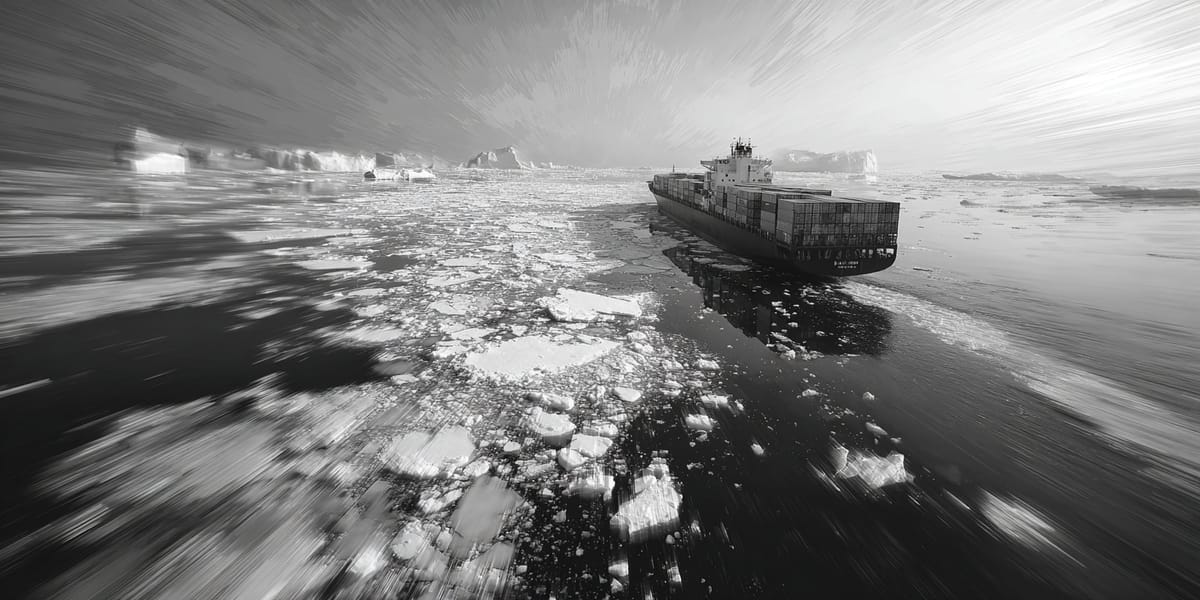
According to CNN, the container ship Istanbul Bridge completed a maiden voyage through the Northern Sea Route in September 2025. The vessel traveled from China to Europe in 18 days. This journey reduced typical transit times by more than half compared to the Suez Canal route.
The ship carried cargo including batteries and clothing from multiple Chinese ports. The voyage represents China's first step toward establishing a regular "Polar Silk Road" service. This development was made possible by Arctic ice melt caused by climate change. The region now warms four times faster than the rest of the planet.
Growing Commercial Interest Raises Environmental Concerns
The shorter route offers potential cost savings of up to 30 percent for some container operations. Transit times between Asia and Europe could decrease by 14 to 20 days. However, experts warn that increased traffic threatens the fragile Arctic ecosystem. Rescue resources remain scarce across the remote region.
Nature Communications published research in September 2025 projecting emissions impacts. The study found that Arctic Sea Route use will increase global shipping emissions by 8.2 percent by 2100. Arctic emissions specifically will rise from 0.22 percent to 2.72 percent of the global total. Regional pollution will concentrate in Northeast Asia, Northern Europe, and North America.
New Routes Challenge Traditional Maritime Infrastructure
The World Affairs Council reports that the Northern Sea Route has become increasingly viable during summer months. The route runs along Russia's Arctic coast from the Kara Sea to the Bering Strait. Climate models suggest conventional vessels could use transpolar routes within the next decade.
Traditional shipping companies relying on Suez and Panama Canal routes face new competitive pressure. Ports dependent on these conventional corridors may see gradual traffic diversion. Arctic nations are enhancing maritime capabilities to assert control over emerging passages. Russia has invested heavily in expanding its icebreaker fleet and Arctic ports.
The opening creates complex geopolitical implications beyond economic considerations. Countries must navigate territorial claims while managing increased maritime traffic safely. International cooperation will determine whether environmental protections can keep pace with commercial expansion.
Further Reading
For deeper insights into global adoption trends, our Alternative Financial Systems Index tracks regulatory frameworks and adoption metrics across 50 countries. The index provides analysis of how technological and environmental changes reshape international trade patterns.